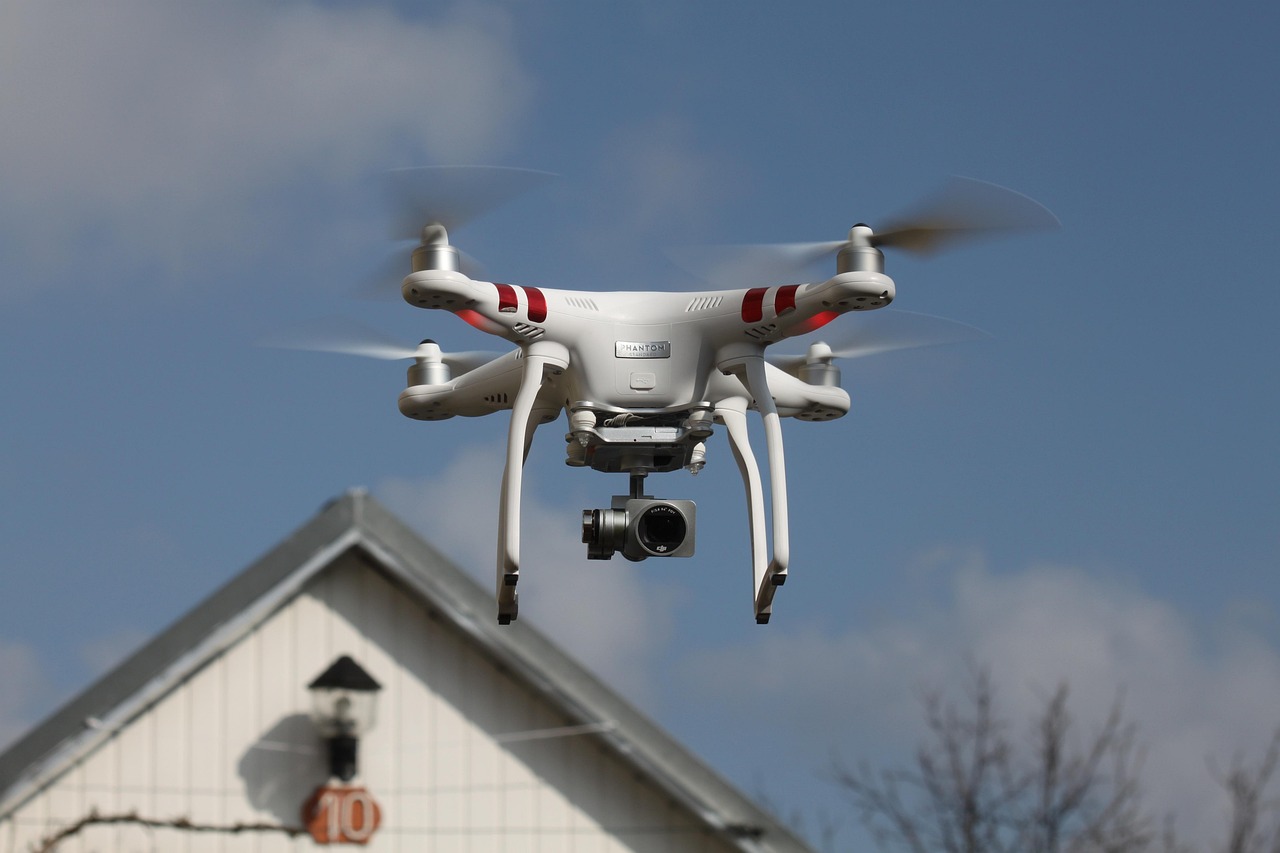
Filming from the sky used to require a chartered helicopter and an enormous budget. Now, drone filming allows independent creators and business owners to capture breathtaking aerial shots with relatively minimal equipment. As video content continues to dominate platforms like YouTube and Instagram, adding high-altitude perspectives helps your footage stand out from standard ground-level media. However, flying a camera hundreds of feet in the air presents specific technical and operational challenges. This guide will walk you through the practical steps of aerial cinematography, helping you select the correct equipment and capture stunning footage safely.
The Benefits of Aerial Cinematography
Shooting from above grants your audience a completely different perspective. Instead of standard ground-level framing, aerial cinematography reveals the true scale of a landscape, an architectural structure, or an outdoor event. This sweeping viewpoint captures attention immediately, stopping viewers from scrolling past your video on their social feeds. Establishing shots taken from the sky give your audience immediate geographical context, grounding your narrative in a specific physical location.
Furthermore, modern aerial equipment incorporates advanced stabilisation technology. You achieve smooth, cinematic glides that previously required heavy tracks, dollies, and a large production crew. This efficiency saves valuable production time and drastically reduces your overall equipment costs. Video producers can arrive at a location, deploy their aircraft, and capture premium footage within minutes.
Choosing the Right Drone for Your Project
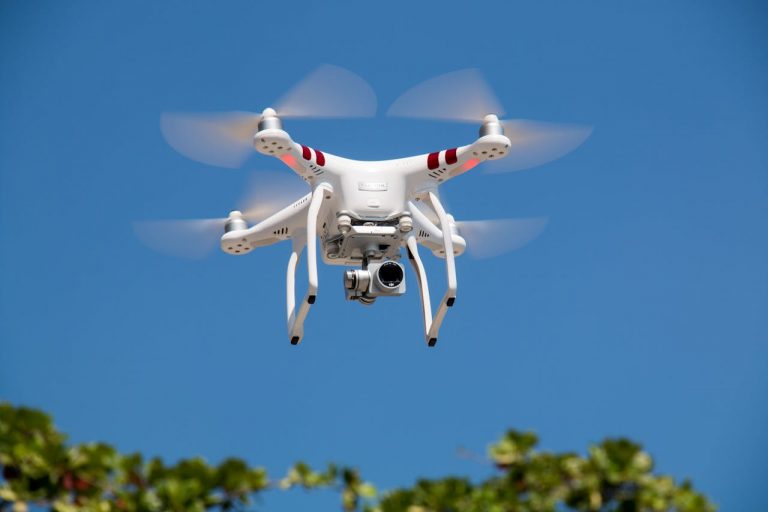
Selecting the correct aircraft depends entirely on your specific production needs and available budget. Beginners should look for lightweight models that feature built-in obstacle avoidance and simple flight controls. These entry-level options provide excellent 4K cameras without demanding an advanced pilot qualification for basic operation. Their compact size makes them incredibly portable, fitting easily into a standard backpack for travel shoots.
Professional filmmakers, however, require heavier units capable of carrying interchangeable lenses and larger image sensors. A larger sensor captures better dynamic range and performs vastly better in low-light situations. You must evaluate your budget alongside your technical requirements. If you frequently shoot in high winds, require broadcast-quality footage, or need to pull focus manually mid-flight, investing in a heavier, professional-grade unit becomes absolutely necessary.
Essential Tips for Stunning Drone Footage
Capturing cinematic shots requires deliberate movement and careful planning. You should avoid sudden, jerky stick movements, as these disrupt the viewing experience and ruin the illusion of flight. Instead, push the control sticks gently and maintain a consistent speed throughout the entire shot. A slow, steady reveal often looks much more dramatic than flying at maximum speed.
Lighting plays a massive role in aerial photography. Flying during the golden hour, shortly after sunrise or before sunset, casts long shadows and provides a soft, warm glow to your landscape. Shooting at midday often results in flat, overexposed images due to the harsh overhead sun. Additionally, you should plan your flight path before taking off. Knowing exactly where you want to fly saves precious battery life and allows you to focus entirely on the camera framing.
Legal and Safety Considerations for Drone Operation
Flying an unmanned aircraft comes with strict legal responsibilities. You must register your device with the Civil Aviation Authority (CAA) in the UK before taking your first flight. Familiarise yourself with the Drone Code, which dictates where you can legally operate. You must keep the aircraft within your visual line of sight at all times and stay well away from airports, crowded areas, and restricted airspace.
Weather conditions also demand your attention. High winds and sudden rain can cause severe damage to your equipment or lead to dangerous crashes. Always check a reliable aviation weather application before leaving for your shooting location. Purchasing comprehensive public liability insurance also protects you financially should an accident occur during your flight.
Elevate Your Visual Storytelling
Adding aerial shots to your video projects creates a lasting impact on your audience. By selecting appropriate equipment and practising deliberate flight techniques, you will produce professional-grade visuals that elevate your entire production. Start with simple, slow movements and gradually build your confidence in the air. Remember to prioritise safety and follow local aviation laws during every flight. Grab your controller, plan your next location, and take your cinematography to new heights.