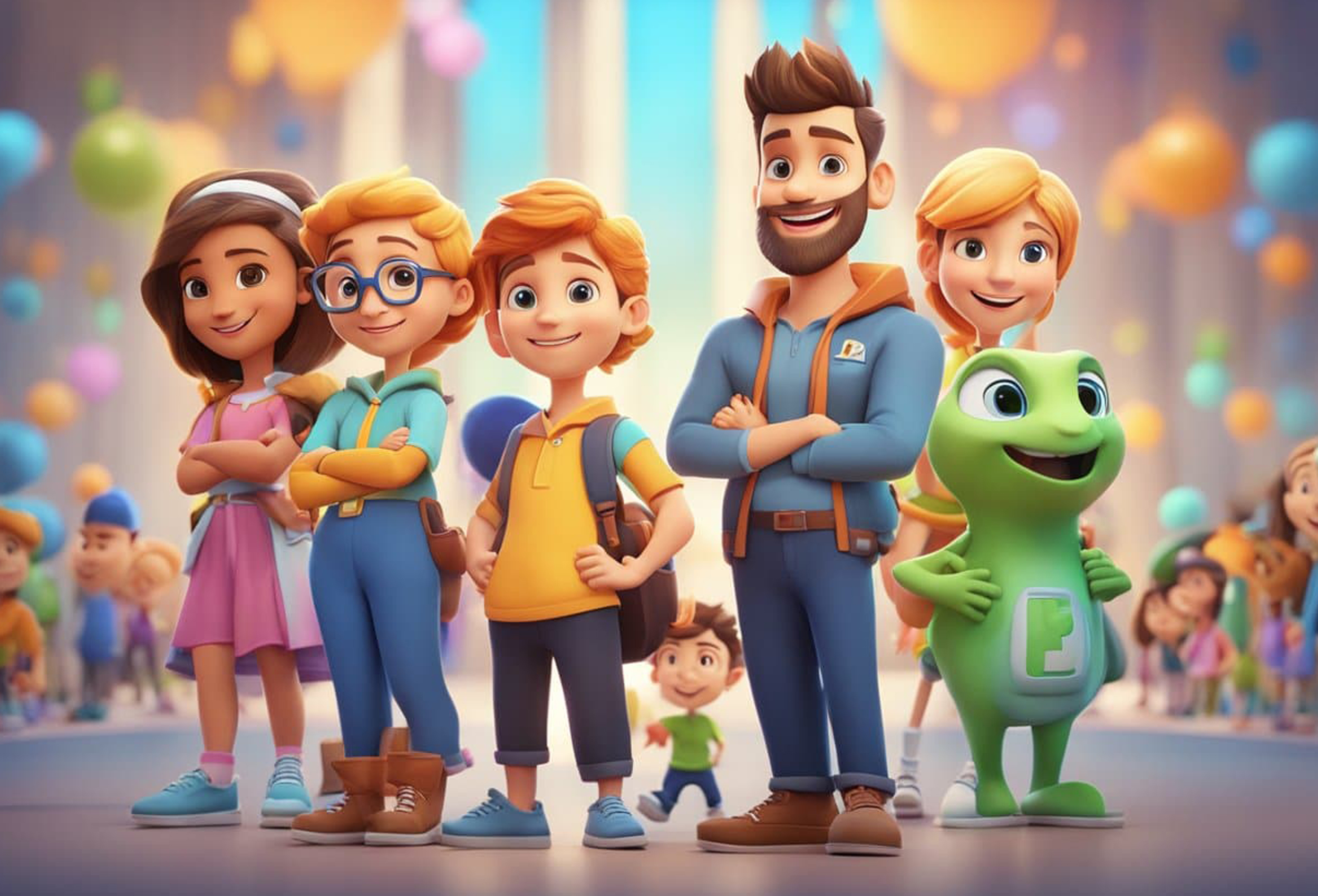
Chances are, you’ve recently watched a movie or browsed a product catalogue and assumed everything you saw was a physical object. In reality, many of these visuals are created using high end photo-real 3d animation, a technology so advanced it seamlessly blends computer-generated imagery (CGI) with the physical world. The results are often indistinguishable to the human eye. Gaining a deeper understanding of this process can empower you to make smarter decisions when planning your own media or marketing projects.
What Makes 3D Animation Photo-Real
Creating truly lifelike 3D visuals requires much more than just designing high-resolution models. The secret to photo-realism lies in how accurately the software replicates real-world lighting, shadows, and material properties. Sophisticated rendering engines calculate how light interacts with surfaces, bouncing and scattering in ways that mimic natural physics. For example, a glass texture must refract light just as it would in a professional studio setting, with every detail—like distortion or reflection—matching reality.
Achieving this often involves perfecting even the smallest elements. Artists spend countless hours fine-tuning surface imperfections, adding subtle scratches, dust particles, or fingerprints that make objects feel tangible. Without these imperfections, 3D images can appear overly clean or artificial, breaking the illusion of realism. By simulating these minute details, the final product achieves a level of authenticity that makes it indistinguishable from real-life photography or film.
Practical Applications Across Industries
Photo-real 3D animation is a versatile tool used across industries to solve unique challenges. In the field of architecture, firms rely on detailed visualisations to bring building designs to life before construction ever begins. This allows architects and clients to explore spatial layouts, experiment with material finishes, and even see how light will move through spaces—all without needing to interpret abstract blueprints or physical models.
In the manufacturing sector, companies use 3D animation to create marketing materials for products that have yet to be produced. Imagine showcasing a new smartphone or piece of furniture in advertising months before it rolls off the production line. Similarly, automotive brands use CGI models for car commercials, enabling them to quickly adjust vehicle colors, finishes, and lighting environments in ways that would be impossible or cost-prohibitive in a physical shoot. It’s this flexibility that makes 3D animation so valuable for industries that demand both precision and adaptability.
Overcoming Common Production Challenges
While the results of high-end 3D animation are stunning, producing these visuals is a complex and resource-intensive process. Rendering a single frame of animation can take hours, depending on the level of detail, and a standard second of video requires 24 individual frames to achieve smooth motion. To meet these demands, studios rely on render farms—networks of powerful computers working in tandem to process massive amounts of data. Without this infrastructure, rendering times could stretch into weeks.
Another significant challenge is the expertise required. The most advanced software tools are only as effective as the artists using them. Skilled professionals must not only master technical aspects like lighting and texturing but also bring an artistic eye for composition and detail. For those considering a 3D animation project, hiring experienced artists or agencies is crucial to ensure quality results. Additionally, factoring in rendering time during your production schedule can help you avoid costly delays.
Taking Your Next Steps with 3D Animation
Adopting high-end photo-real 3D animation can revolutionize how you present ideas, products, or designs to your audience. While the upfront investment in software, hardware, or agency services may seem steep, the long-term benefits often outweigh the costs. One major advantage is flexibility: once created, 3D assets can be revisited, edited, or repurposed months or even years later without the need for a new photoshoot or physical setup. This makes 3D animation an incredibly cost-effective solution for businesses needing agility in their marketing or design workflows.
To get started, assess your current processes. Are there areas where physical constraints—like time, budget, or resources—limit your creativity? Do you find yourself repeating expensive photoshoots or struggling to visualize a concept before production begins? If so, exploring computer-generated imagery could be a game-changer for achieving your business goals. With the right tools and expertise, 3D animation can open up new possibilities that were previously out of reach.