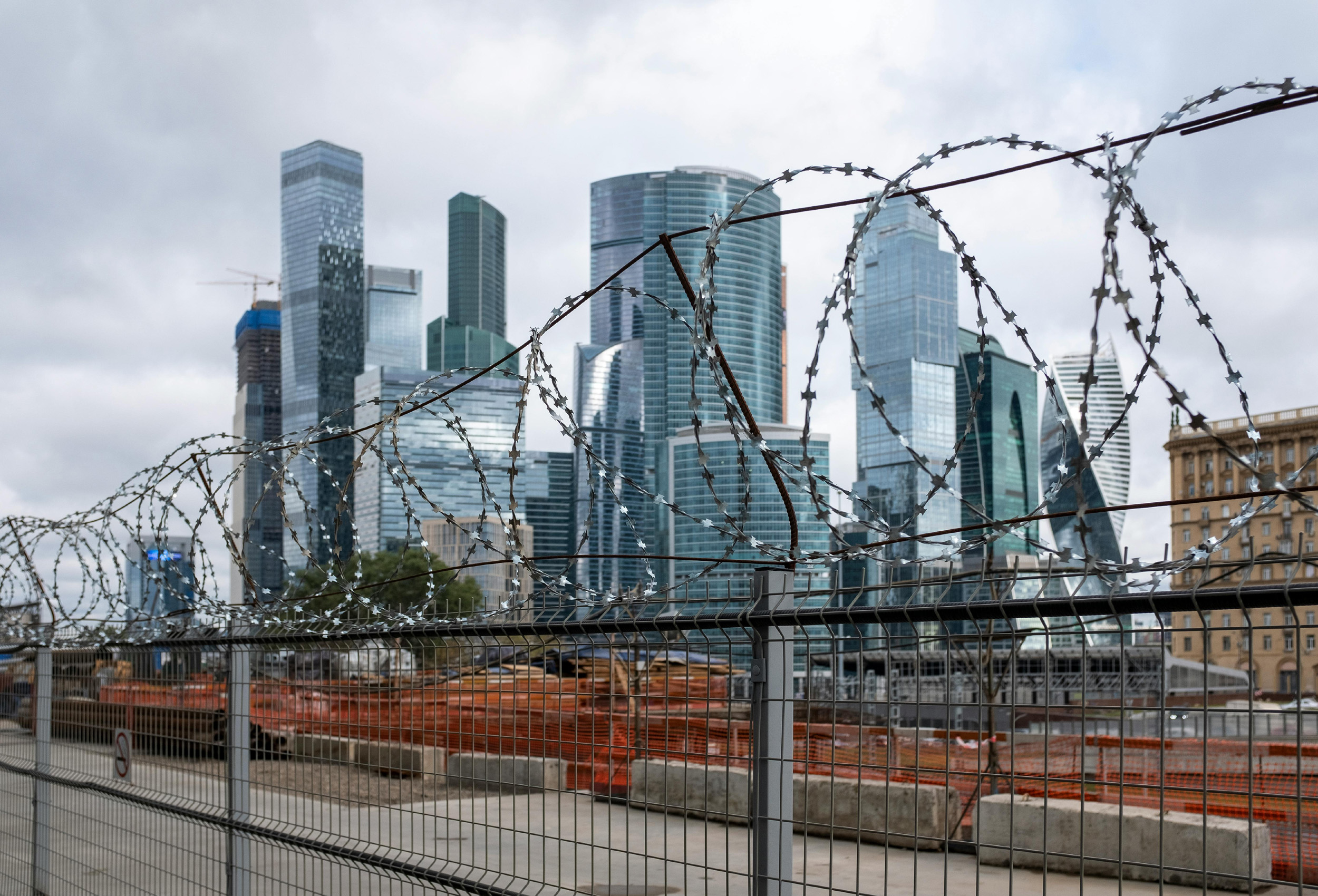
Physical security acts as the foundation of any comprehensive risk management strategy. While alarm systems and cameras play crucial roles, they remain reactive measures. Standard fencing often fails to deter determined intruders, allowing them quick access to your premises. High security fences provide an essential physical barrier, actively delaying and preventing unauthorised access to sensitive locations. This article will help you understand the core components of these advanced systems and guide you in selecting the proper protection for your specific site requirements, keeping your people and assets safe.
The Importance of Advanced Perimeter Protection
Basic chain-link boundaries offer minimal resistance against modern intrusion tactics. Intruders can breach standard barriers in seconds using basic hand tools. Advanced perimeter protection creates a formidable first line of defence that fundamentally alters the calculus of an attacker. By installing specialised high security fences, you actively delay intruders, giving your security personnel or local authorities critical time to respond to the threat. Security experts frequently refer to this principle as the ‘delay factor’, and it functions as a primary goal in site protection. Maximising this delay prevents theft, vandalism, and sabotage. You protect your valuable assets, your dedicated personnel, and your overall operational continuity by denying easy access.
Key Features of High-Security Fencing Systems
Several distinct structural characteristics separate standard enclosures from high security variants. Manufacturers build these fences using heavy-duty materials such as closely welded steel mesh or heavy steel palisade pales. The closely spaced wire patterns, such as the industry-standard 358 mesh, prevent individuals from gaining a finger-hold or inserting standard bolt cutters. Furthermore, these systems regularly integrate anti-climb structures at the top, such as curved extensions, rotating spikes, or razor wire, to physically block upward movement over the barrier.
Many modern designs seamlessly incorporate electronic detection systems directly into the fence fabric. These advanced sensors alert control rooms the moment an individual attempts to cut, strike, or scale the barrier, allowing for immediate and targeted intervention. The subterranean foundation also plays a significant role, with deep concrete footings or buried mesh preventing intruders from bypassing the structure by digging underneath it.
Applications Across Various Sectors
Different industries face distinct threat levels requiring specific defensive measures to keep their operations safe. Utility companies rely heavily on high security fences to protect power grids, substations, and water treatment facilities from outside interference. A physical breach in these critical infrastructure areas could disrupt essential services for entire communities. Data centres also require exceptional perimeter defence to guard highly sensitive digital infrastructure and client information against physical attacks.
Correctional facilities utilise the most restrictive fencing forms to safely contain inmates and prevent unauthorised contraband from entering the grounds. Transportation hubs, such as international airports and commercial shipping ports, deploy these heavy-duty barriers to strictly separate public zones from restricted operational areas. This separation maintains strict border control protocols and guarantees passenger safety on a daily basis.
Choosing the Right High-Security Fence
Selecting an appropriate barrier demands a thorough risk assessment of your specific property. Start by clearly identifying the specific threats your facility faces, whether that involves opportunistic theft, organised industrial espionage, or public protests. Evaluate the local topography of your land, as uneven ground or slopes might require specially designed stepping panels or custom ground grading to prevent gaps from forming beneath the fence line.
Investing in Superior Protection
Securing your commercial perimeter represents a fundamental operational necessity rather than a luxury. High security fences offer immediate peace of mind by creating both a physical barricade and a strong psychological deterrent against intrusion. By carefully understanding your specific site vulnerabilities and matching them with the appropriate industrial materials and detection technologies, you establish a genuinely safe environment for your enterprise. A carefully chosen boundary system protects your current physical assets and secures the future stability and success of your entire operation.