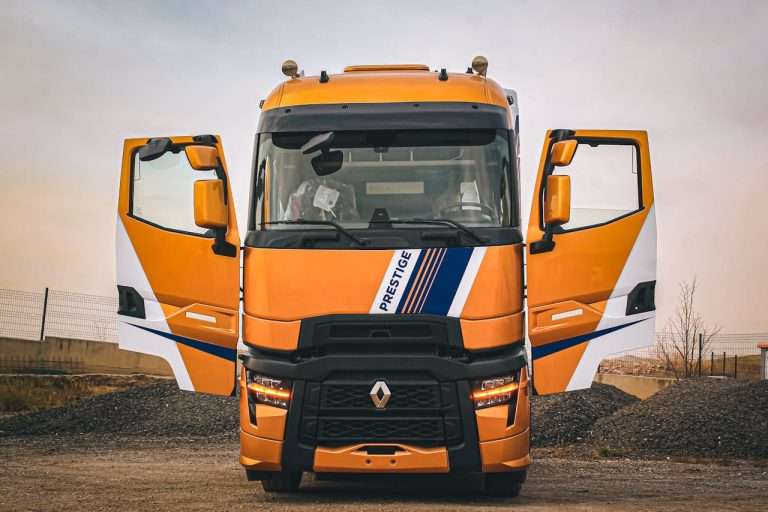
The logistics industry relies heavily on professional drivers to keep supply chains moving across the country. If you are considering a career shift that offers stability and regular work, obtaining the right qualifications is your first step. This guide covers the essential aspects of HGV training courses, helping you make informed decisions about your future on the road. You will learn about the training process, the advantages of the profession, and how to select a suitable provider for your specific needs.
Understanding HGV Training Courses
Heavy Goods Vehicle qualifications are split into different categories based on the weight and type of truck you intend to drive. The most common entry point is the Category C qualification, commonly referred to as Class 2. This permits you to drive rigid vehicles over 3,500kg. Once you have acquired this, you can progress to Category C+E, or Class 1, which allows you to operate articulated lorries with trailers. Completing structured HGV training courses is a legal requirement before you can take your practical tests. These programmes teach you vehicle safety, road rules, and practical handling skills. You will also need to understand the Driver Certificate of Professional Competence. This certification is mandatory for anyone planning to drive commercially and requires regular renewal to keep your skills current.
The Benefits of Becoming an HGV Driver
Choosing to drive commercially brings a range of practical advantages. The demand for qualified drivers remains consistently high across the United Kingdom, which translates directly into job security. Logistics companies frequently struggle to fill vacancies, giving newly qualified drivers strong negotiating power for starting salaries. You also gain a sense of independence that office-based roles rarely offer. Spending your day on the open road appeals to people who prefer a self-directed working environment. Many transport companies offer flexible shift patterns, allowing you to find a working schedule that fits around your personal life. You can choose between long-haul routes that involve overnight stays or local multi-drop deliveries that allow you to return home every evening.
Choosing the Right HGV Training Provider
Selecting a reputable school is critical to your success and safety. You should look for providers approved by the Driver and Vehicle Standards Agency. This certification means the school meets strict national standards for driver education. It is worth asking potential providers about their first-time pass rates, as this gives a clear indication of their teaching quality. You should also request information about the specific vehicles you will be driving during your lessons. Learning in modern, well-maintained trucks prepares you better for the realities of the logistics industry. Speak directly with the instructors if possible to gauge their communication style and professional experience. Finally, request a clear breakdown of all costs. Transparent pricing helps you avoid unexpected fees for test bookings or additional medical assessments.
Advancing Your Career with an HGV License
Securing your commercial driving qualification opens up a clear path for career progression. Many new drivers begin with rigid vehicles, which are generally easier to handle, allowing them to build foundational skills and confidence on the road. Once you feel comfortable, you can upgrade to an articulated lorry licence, a move that typically commands higher pay rates due to the increased complexity and responsibility.
From there, you have the option to specialize in transporting specific types of cargo. For instance, by taking additional courses like the ADR qualification, you can become certified to handle hazardous materials, a niche skill that is often in high demand.
As your career develops, you might find that your experience opens doors away from full-time driving. Some seasoned drivers transition into transport management roles, where they oversee fleet operations, driver compliance, and logistics for large firms. Others discover a passion for teaching and choose to become driver trainers themselves, passing their hard-earned knowledge on to the next generation of students. By taking that initial step and booking your training, you lay the foundation for a sustainable, long-term profession in an industry that is essential to the economy.